Shape library
Seven labels, one spectrum.
Face-shape categories describe visible width and length relationships. Most faces sit between two readings, which is why the detector shows relative fit rather than a single definitive label.

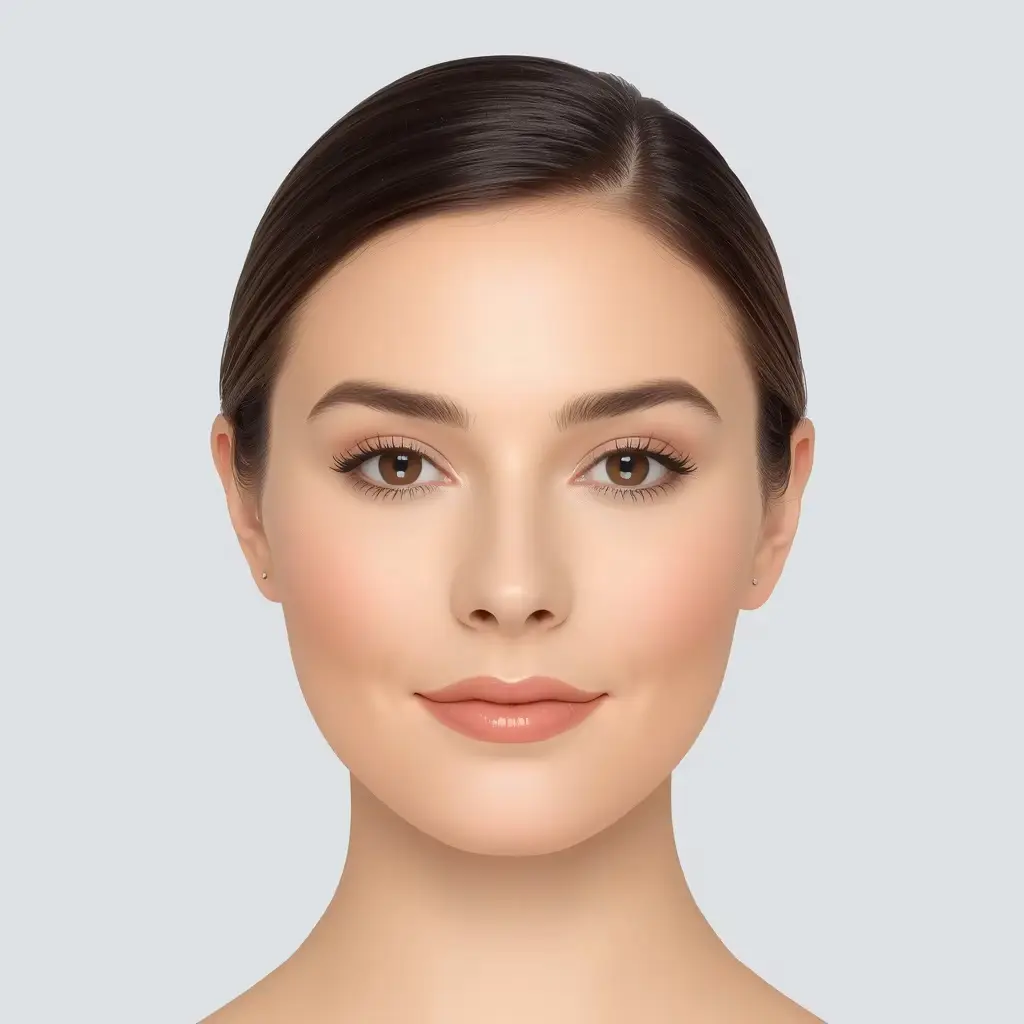
Oval
Balanced and adaptable
Oval proportions are longer than wide with a gently tapered jaw and cheekbones that sit near the widest part of the face. The outline is soft rather than sharply angular.
Read the guide →
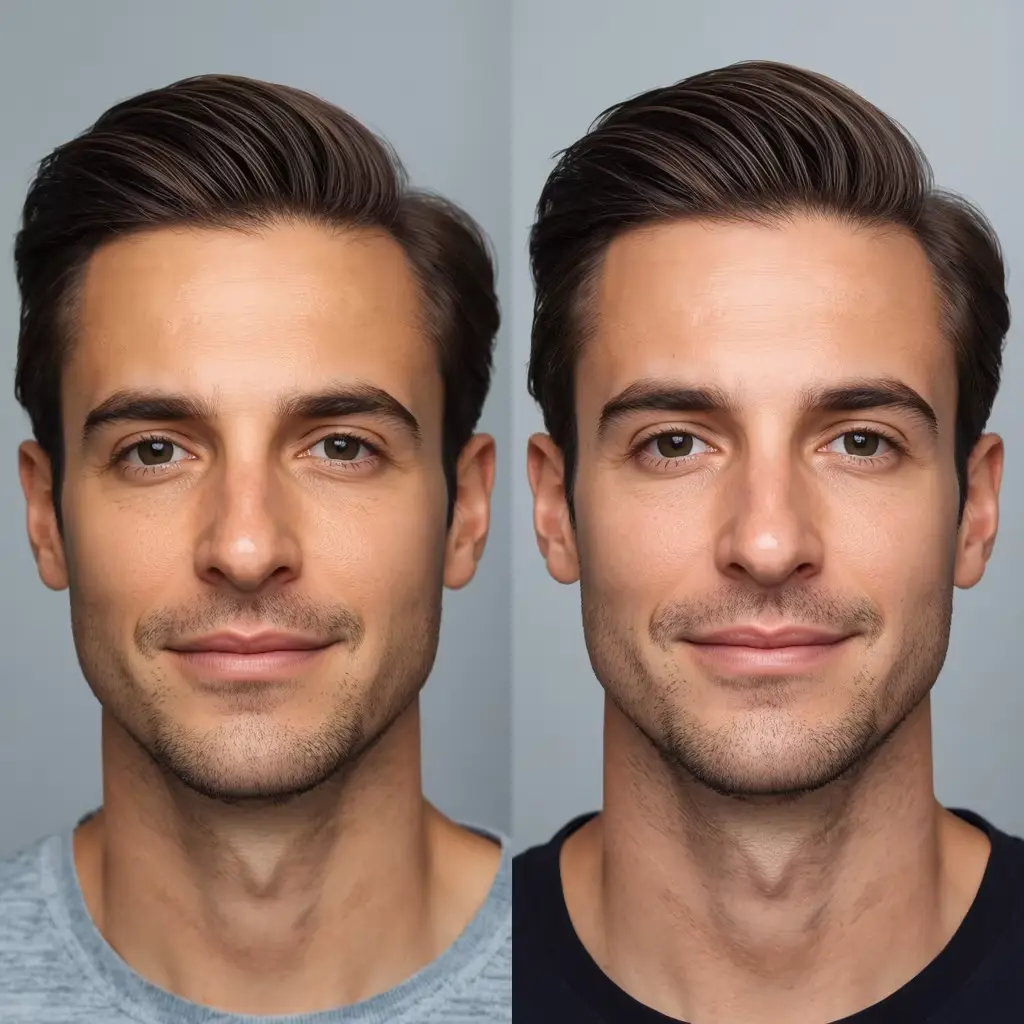
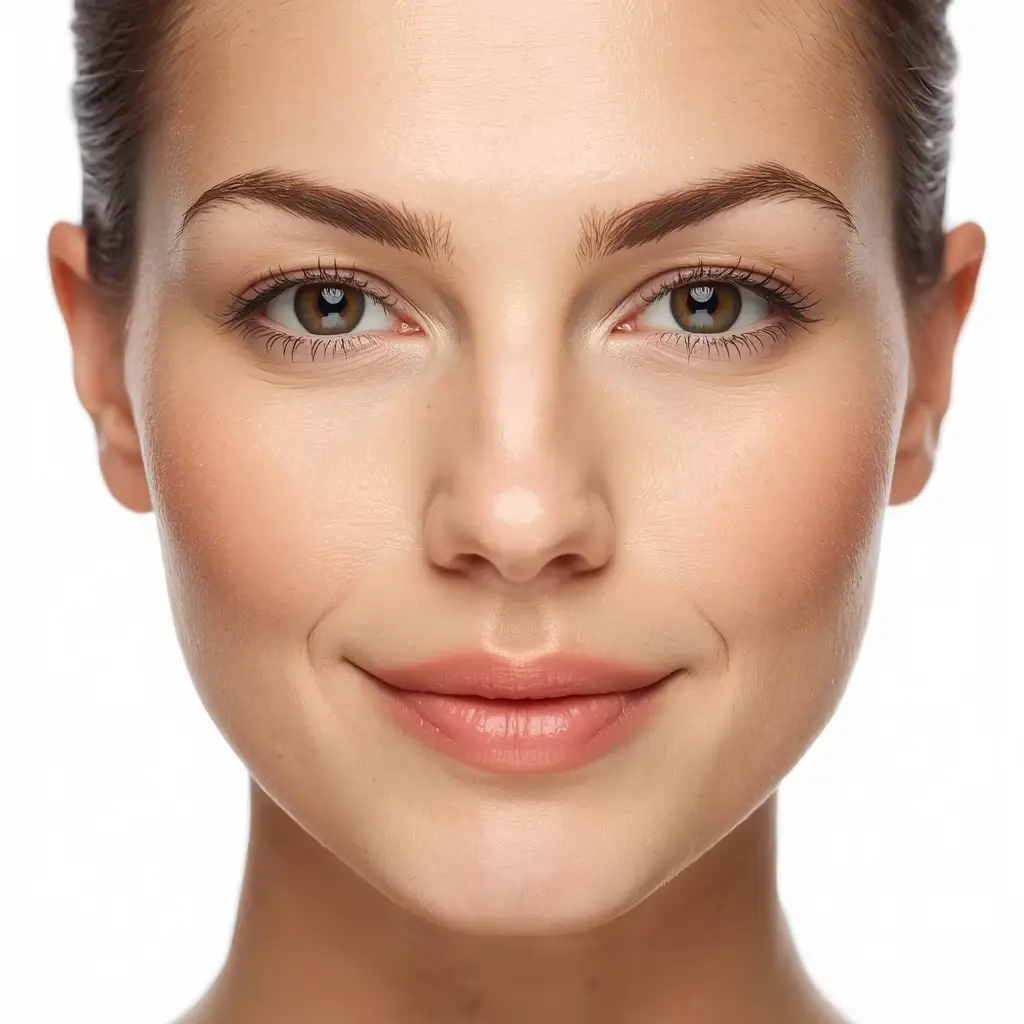
Round
Soft curves, compact proportions
Round proportions are close to equal in length and width, with fuller cheeks and a curved jaw. The goal in styling is usually to create a little vertical length or angular contrast.
Read the guide →
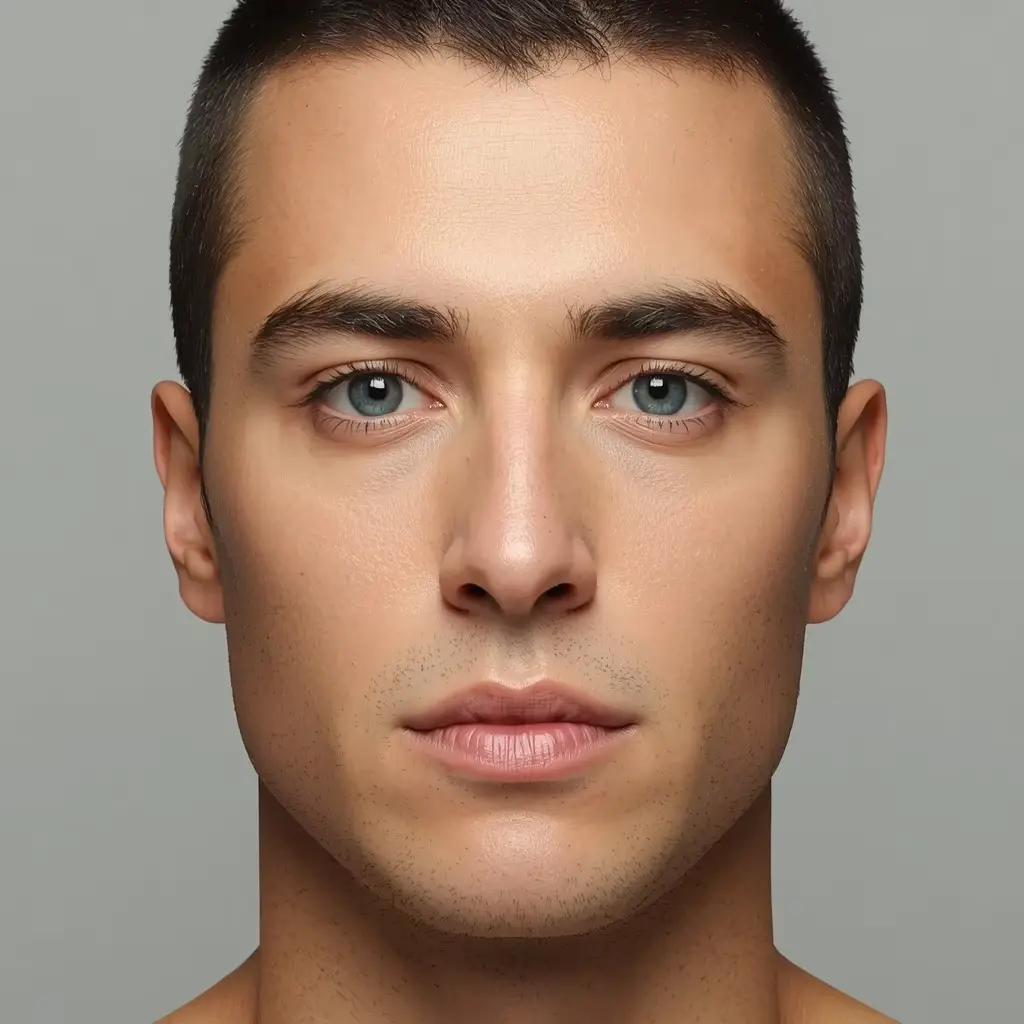
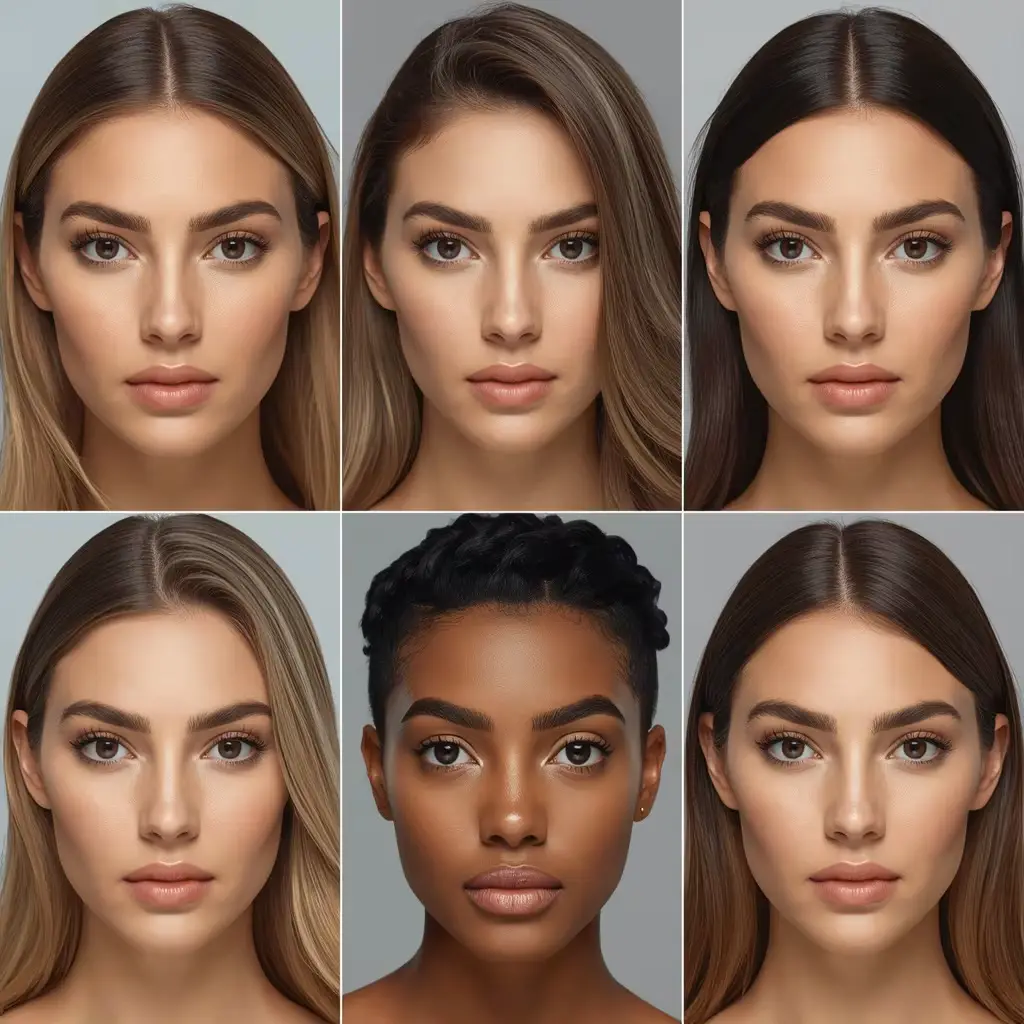
Square
Strong jaw, clear angles
Square proportions combine a relatively broad jaw with forehead and cheek widths that stay close together. The jaw angle is more defined, so softer styling lines often create balance.
Read the guide →
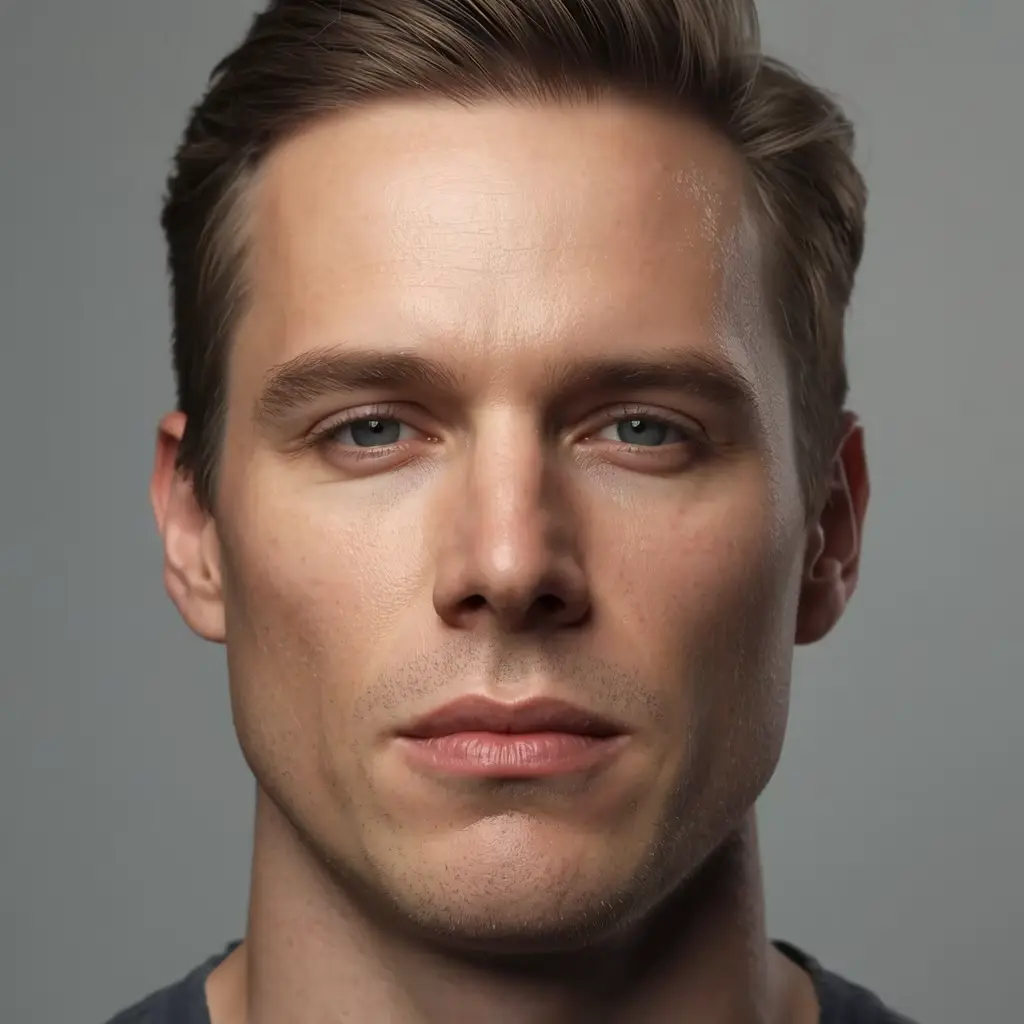
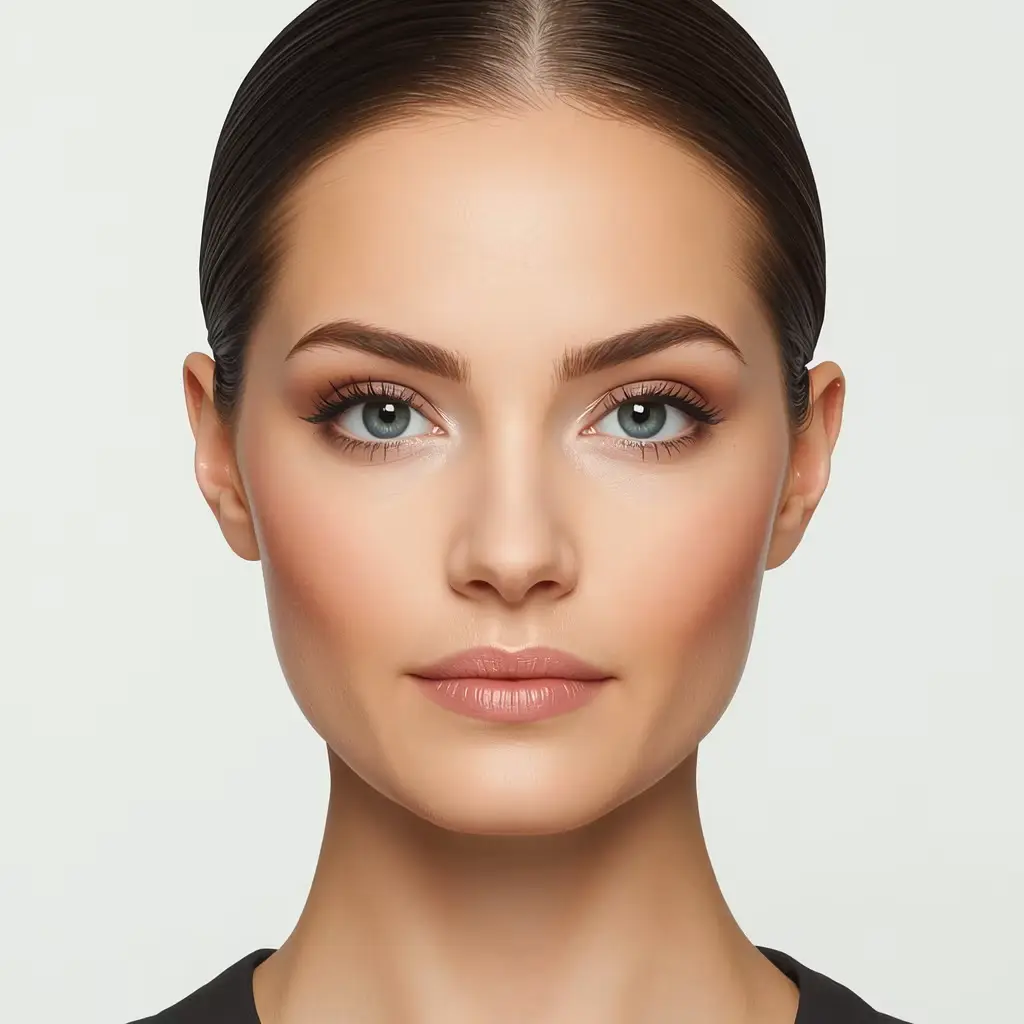
Heart
Wider upper face, tapered chin
Heart proportions are broader across the forehead or cheeks and narrower toward the jaw and chin. Styling often focuses on adding a little visual weight lower down or softening the upper width.
Read the guide →
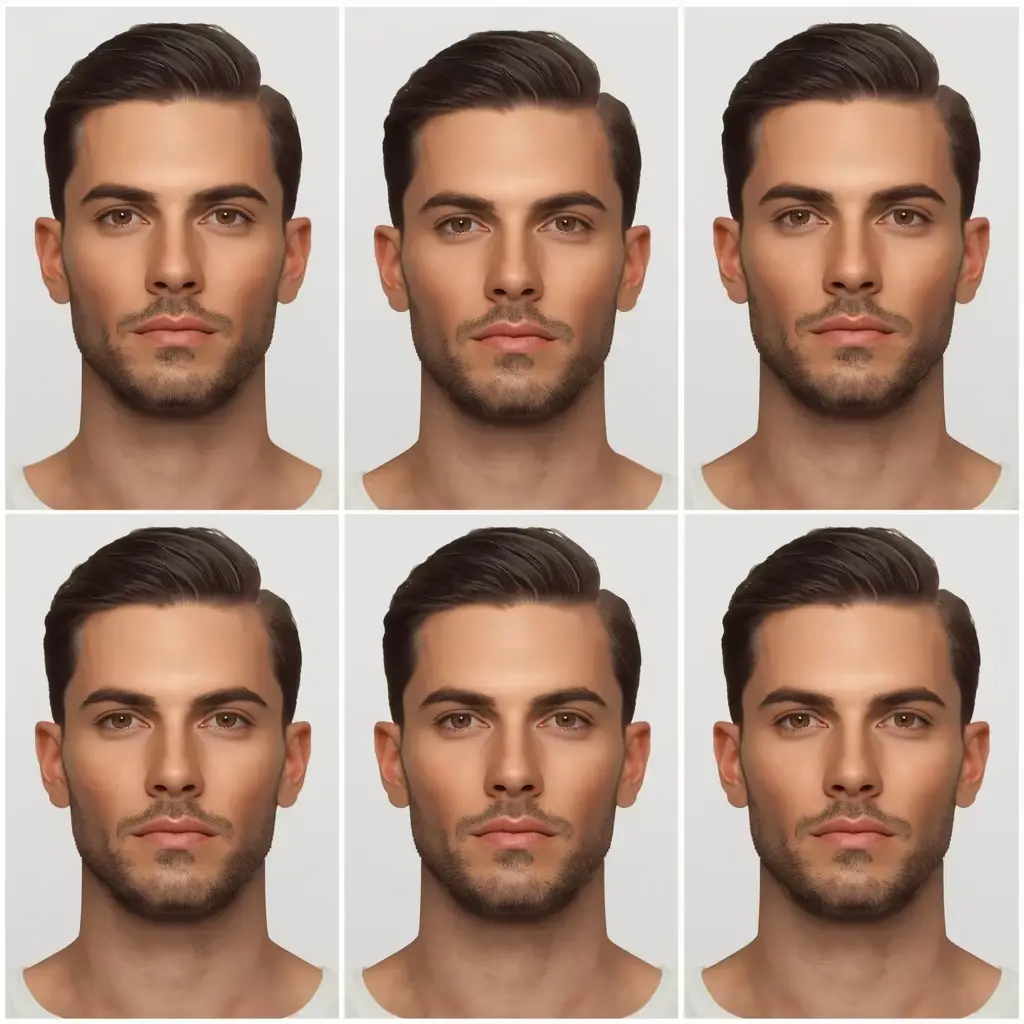
Diamond
Prominent cheekbones, narrow ends
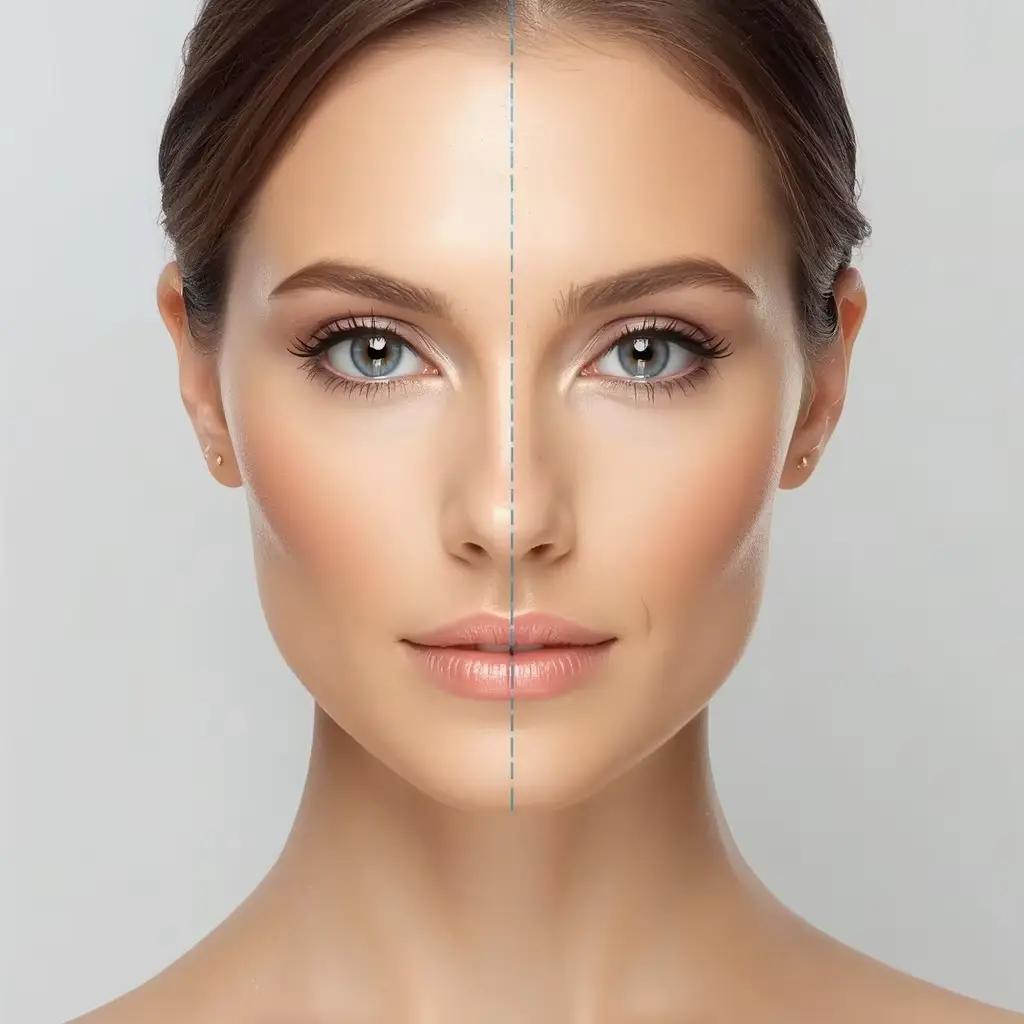
Diamond proportions put the widest point at the cheekbones, with a narrower forehead and jaw. The styling goal is usually to add a little width at the forehead or jaw so the cheekbones do not carry all the visual weight.
Read the guide →
Oblong
Longer lines, straighter sides
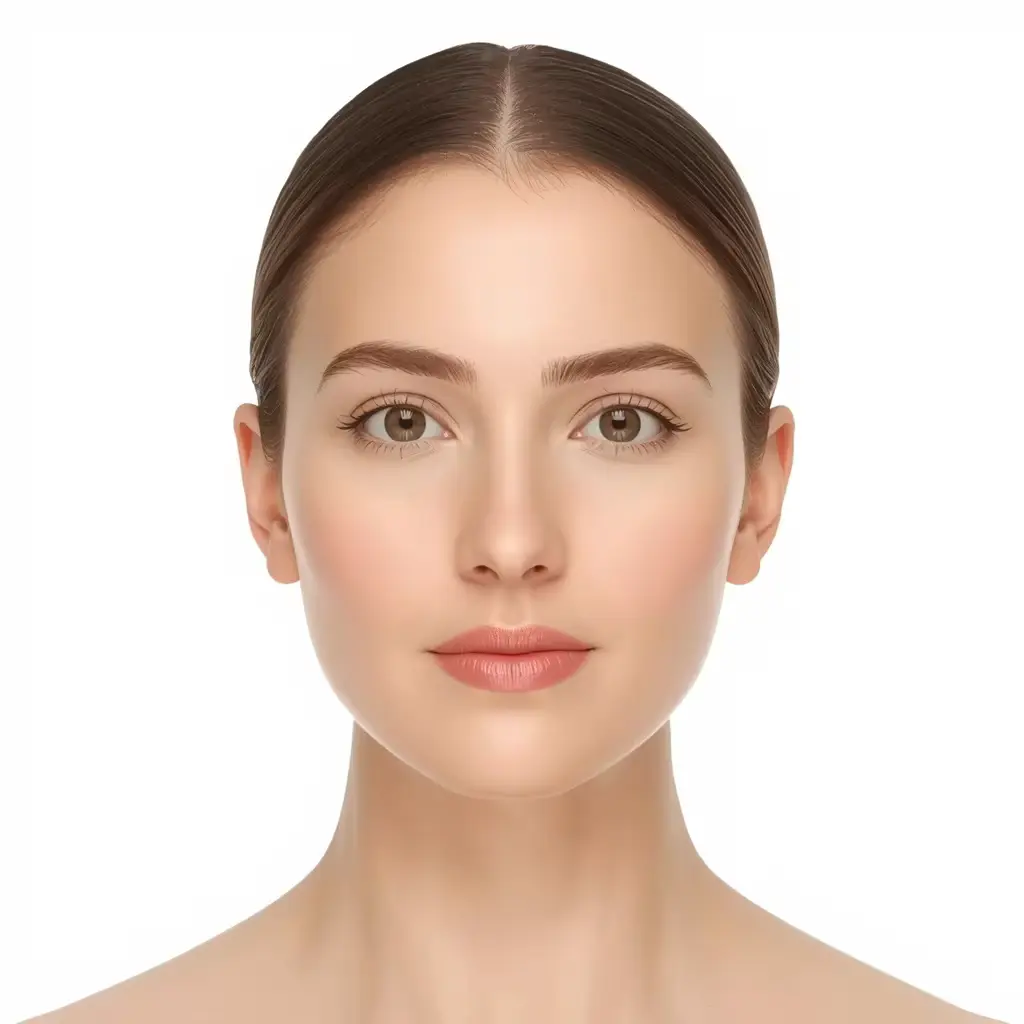
Oblong or rectangular proportions are noticeably longer than wide, often with straighter sides and less taper. Styling usually introduces horizontal width or breaks up the vertical line.
Read the guide →
Triangle
Strong lower face
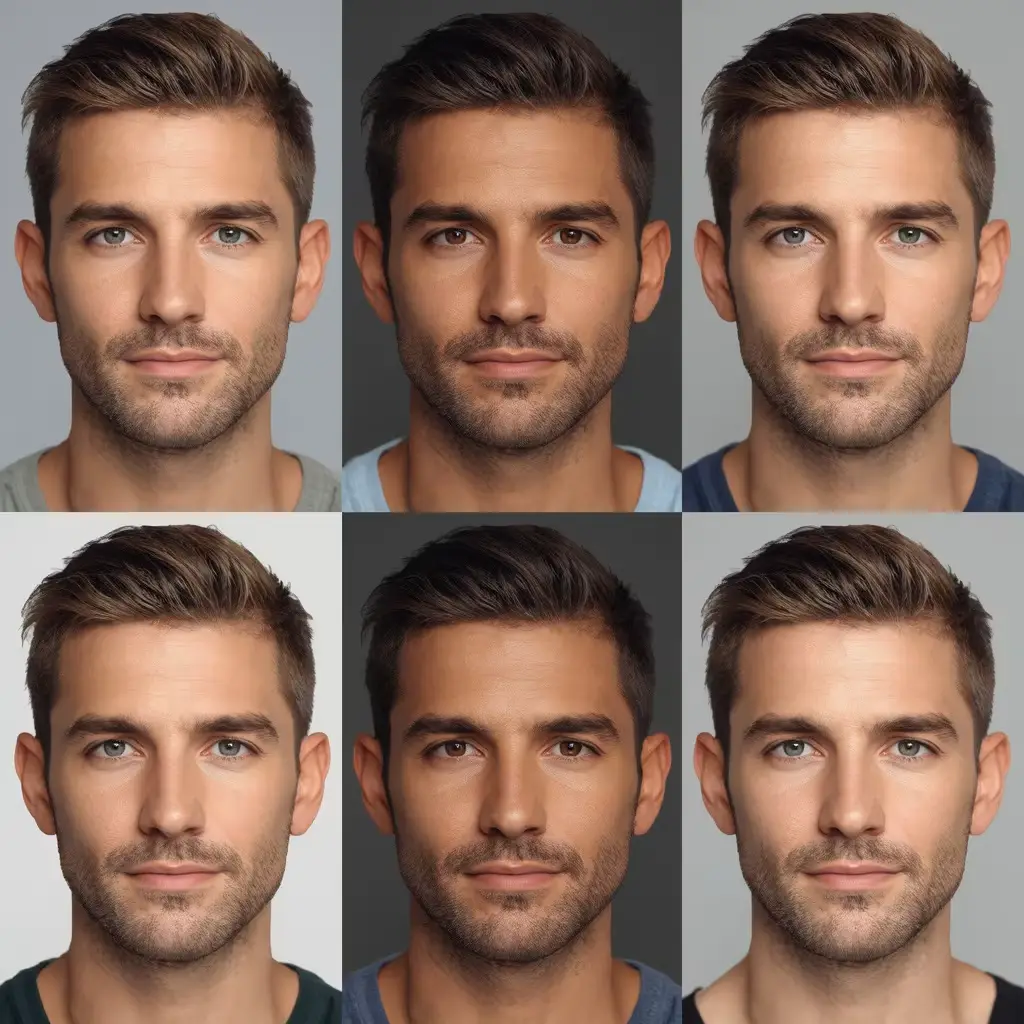
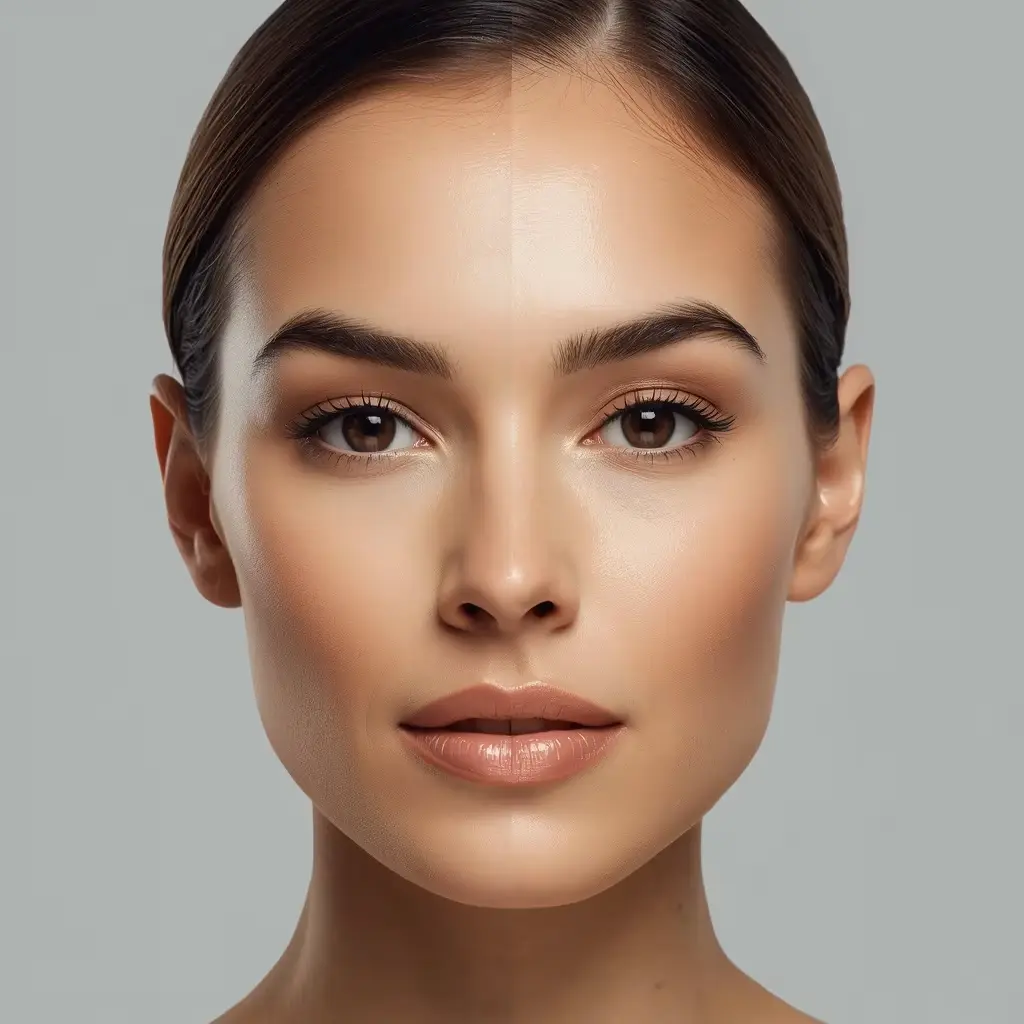
Triangle proportions are wider at the jaw than at the forehead, creating a bottom-heavy outline. Styling often adds width or volume above the cheekbones to balance the lower face.
Read the guide →
Side by side
The broad pattern, without the myth-making.
These are qualitative summaries. Your report uses actual normalized ratios and a capture-quality score, not this table.
| Shape | Length ÷ width | Upper vs lower width | Jaw line |
|---|---|---|---|
| Oval | Moderate | Balanced | Soft taper |
| Round | Low | Balanced | Soft curve |
| Square | Low to moderate | Close widths | Strong corners |
| Heart | Moderate | Upper wider | Tapered chin |
| Diamond | Moderate | Cheeks widest | Tapered ends |
| Oblong | High | Balanced | Straighter sides |
| Triangle | Low to moderate | Jaw widest | Broad lower face |
Presentation guide
Men's guide
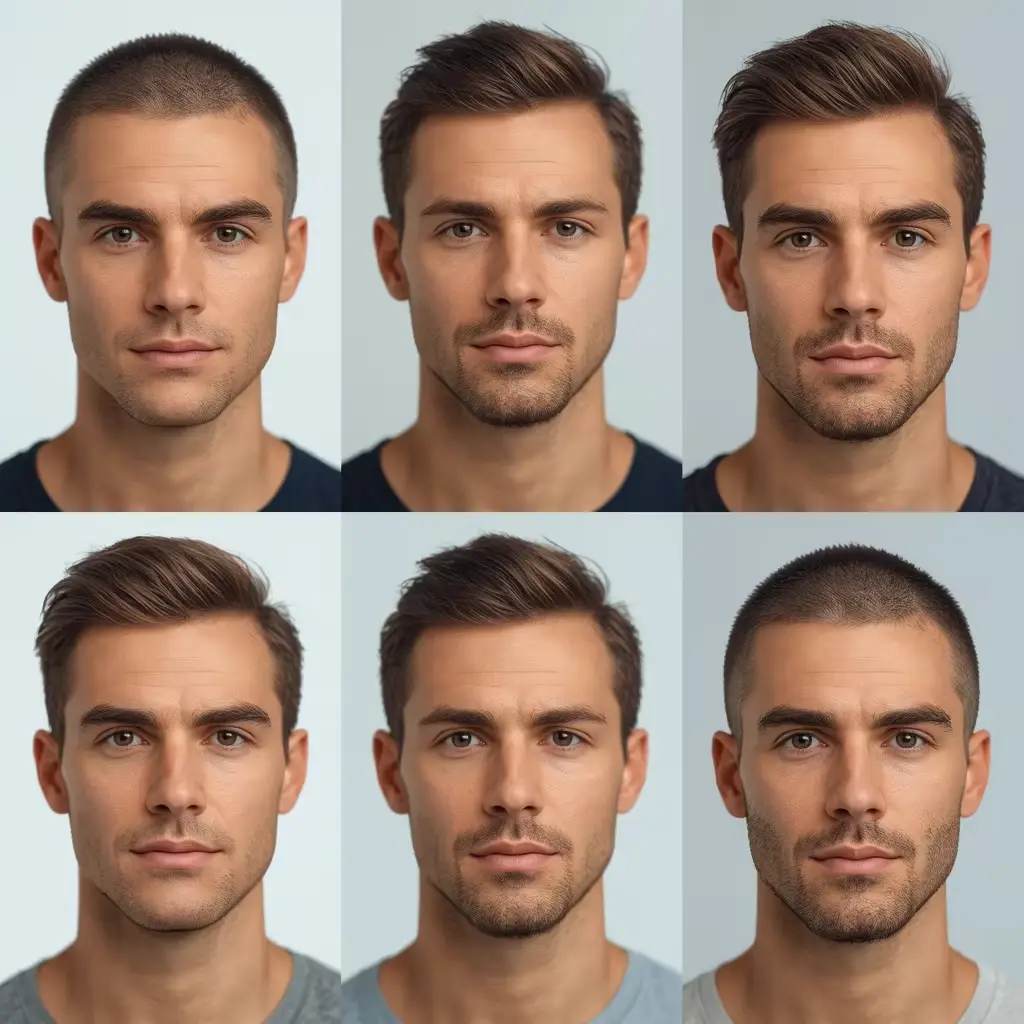
Hair, beard, glasses, and collar decisions across all seven readings, with masculine reference portraits.
Compare men's references →
Presentation guide
Women's guide
Hair, fringe, glasses, necklines, and colour direction across all seven readings, with feminine reference portraits.
Compare women's references →
Why categories still help
A category is a shortcut for a set of proportions. It helps you ask better styling questions: Do I want more width at the forehead? Less emphasis on the jaw? More vertical length? Those questions are more useful than trying to force your face into a perfect label.
What the labels cannot tell you
They do not describe bone structure directly, skin, hair texture, symmetry, or personal style. A 2D photo can also change apparent width through lens distortion, head tilt, and lighting. Use the closest reading as a starting point, then adjust.
Read the methodology for the measurement definitions and limitations.