Shape guide
Triangle
Strong lower face
Triangle proportions are wider at the jaw than at the forehead, creating a bottom-heavy outline. Styling often adds width or volume above the cheekbones to balance the lower face.
Illustrative outline
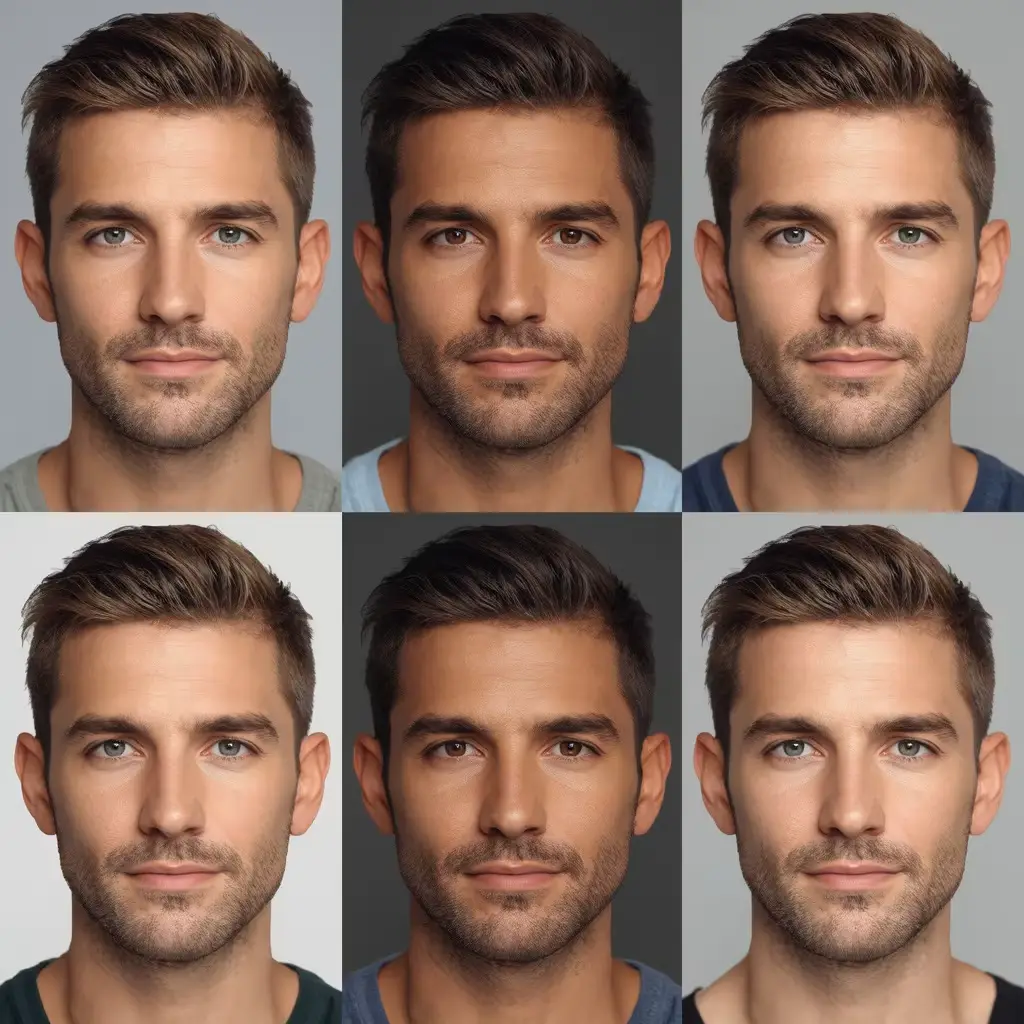
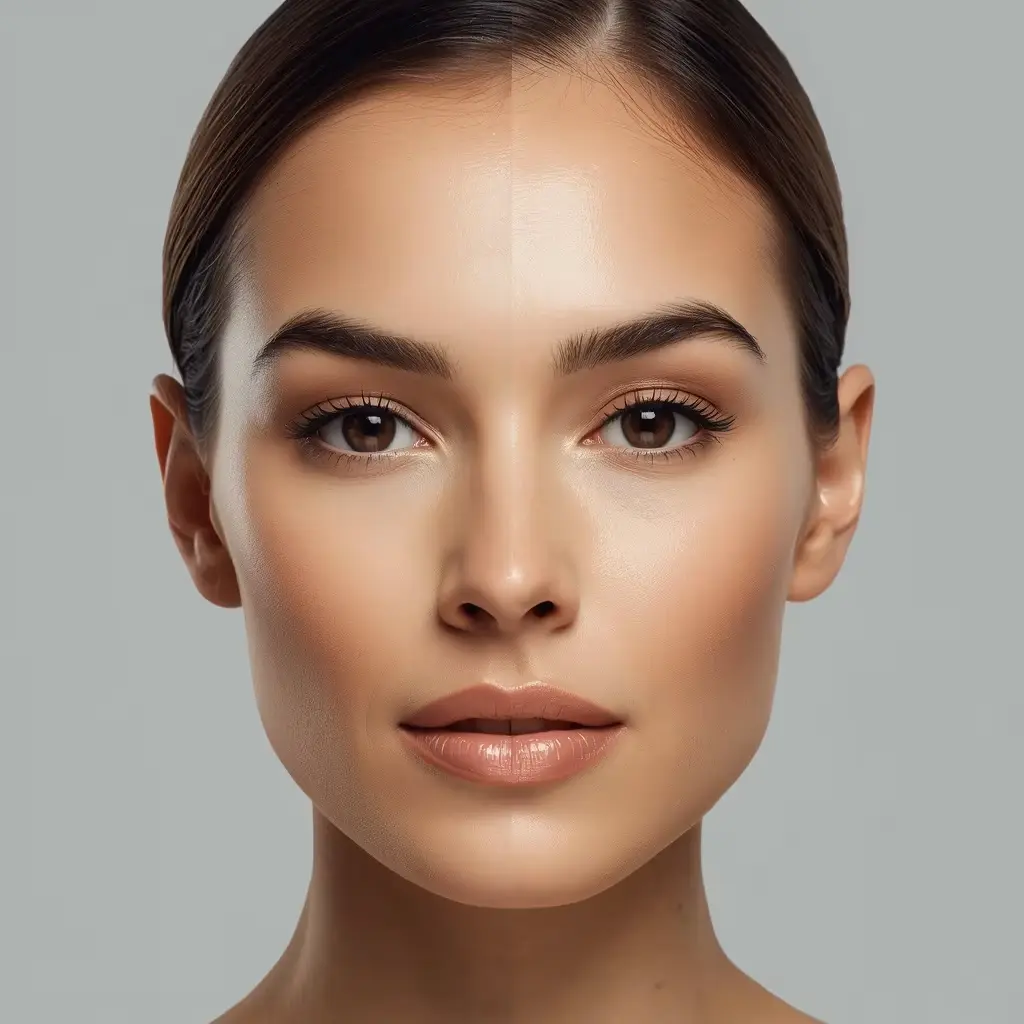
Reference portraits are AI-generated examples. Your own photo is never uploaded.
Measurement signature
What tends to drive this reading.
Jaw-to-forehead is high; jaw is close to or wider than the cheeks; the upper face is narrower.
Visible traits
- Jaw is the widest area
- Forehead appears narrower
- Lower face carries more visual weight
Hair direction
- Volume at the crown and temples
- Side-swept fringe or a textured top
- Avoid styles that add bulk at the jaw
Glasses & frames
- Browline, cat-eye or wider-top frames
- A frame that extends to the temples
- Avoid bottom-heavy frames
Grooming
- Fuller cheek and side growth adds upper width
- Keep the neckline tidy
- A short beard can balance without widening the jaw
Colour direction
- Lighter colours and detail above the waist
- Strong shoulder lines
- Keep the lower half of the outfit simpler
Often confused with
The nearest alternative reading
Triangle vs square: triangle is wider at the jaw than the forehead; square keeps the upper and lower widths close.
Styling caution
What usually overcorrects
- Jaw-length volume
- Very narrow frames that leave the upper face visually small
Keep comparing