Shape guide
Diamond
Prominent cheekbones, narrow ends
Diamond proportions put the widest point at the cheekbones, with a narrower forehead and jaw. The styling goal is usually to add a little width at the forehead or jaw so the cheekbones do not carry all the visual weight.
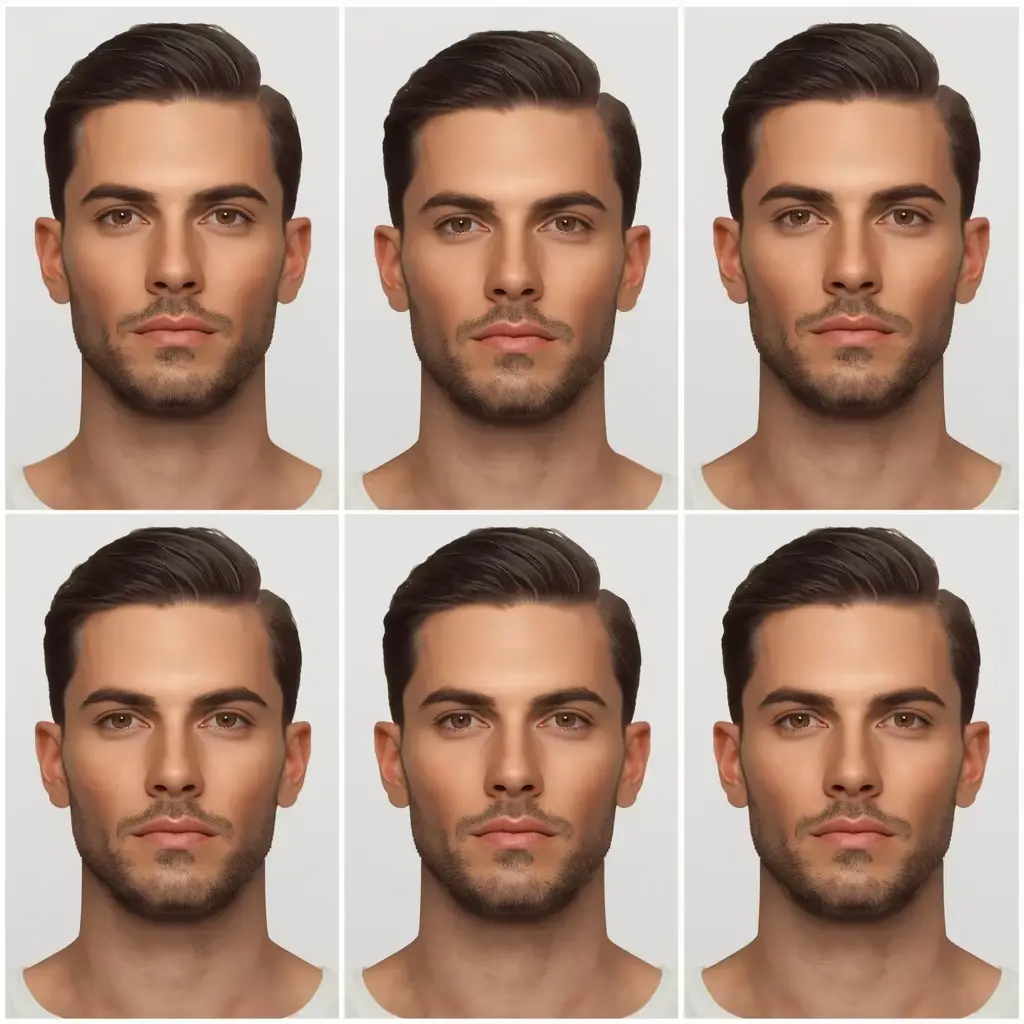
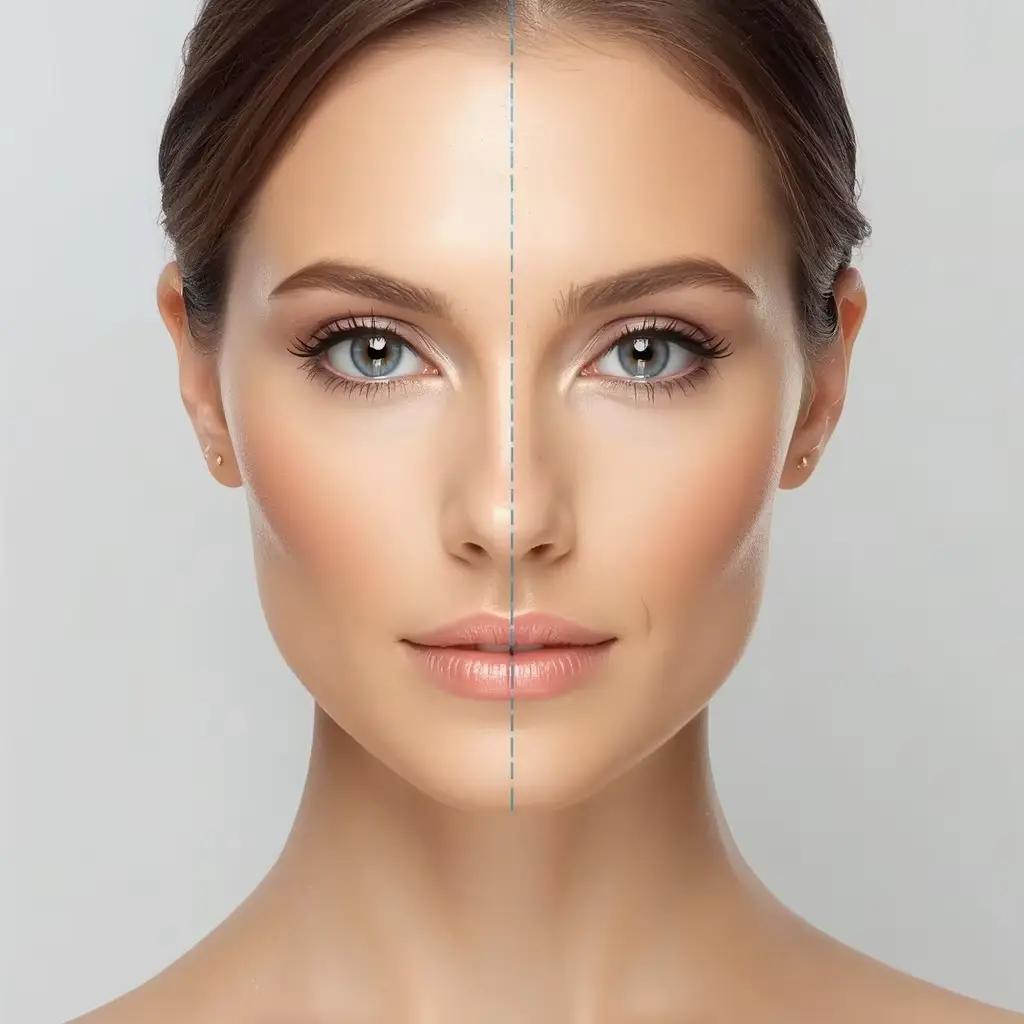
Illustrative outline
Reference portraits are AI-generated examples. Your own photo is never uploaded.
Measurement signature
What tends to drive this reading.
Cheek-to-forehead and cheek-to-jaw ratios are high; the chin tapers.
Visible traits
- Cheekbones are the widest area
- Forehead is narrower than the cheeks
- Jaw and chin taper
Hair direction
- Volume at the temples or forehead
- Chin-length cuts that add width lower down
- Side-parted styles with soft fullness
Glasses & frames
- Oval or rimless frames
- Cat-eye frames that add width at the top
- Avoid narrow frames that emphasise the cheekbones
Grooming
- Fuller sides can balance prominent cheekbones
- A rounded chin outline softens the taper
- Avoid extremely narrow goatees if balance is the goal
Colour direction
- Lighter colours near the forehead and jaw
- Horizontal details at the neckline
- Use soft contrast rather than a single strong vertical line
Often confused with
The nearest alternative reading
Diamond vs oval: oval has softer, more balanced widths; diamond has a clearly narrower forehead and jaw relative to the cheeks.
Styling caution
What usually overcorrects
- Slicked-back styles with no temple width
- Very narrow frames
Keep comparing