Outfit builder
A styling formula you can actually use.
Choose your closest shape, palette, occasion, and fit. The builder turns them into a neckline, layer, bottom, shoe, and colour direction — with the reasoning left visible.
Build the brief
The output is deterministic: the same inputs produce the same direction.
Your formula
Oval · Neutral · everyday
Silhouette
- Base: A cotton tee or fine-knit top
- Neckline: A clean crew or open collar
- Layer: An open overshirt or lightweight jacket
- Bottom: Straight-leg trousers or a midi skirt
- Shoe: A minimal loafer or low-profile sneaker
- Finish: One practical accessory and a low-maintenance shoe
Palette anchors
Both gold and silver; mixed metals often work well.
Closer cuts with a defined waist or shoulder.
Why this direction
Balanced proportions can carry a quiet outline; use contrast and fabric to add interest rather than correcting width.
Generated from the selected shape, palette, occasion, and fit. It is a styling starting point, not a dress code.
Necklines and visual weight
The outfit repeats or contrasts the outline.
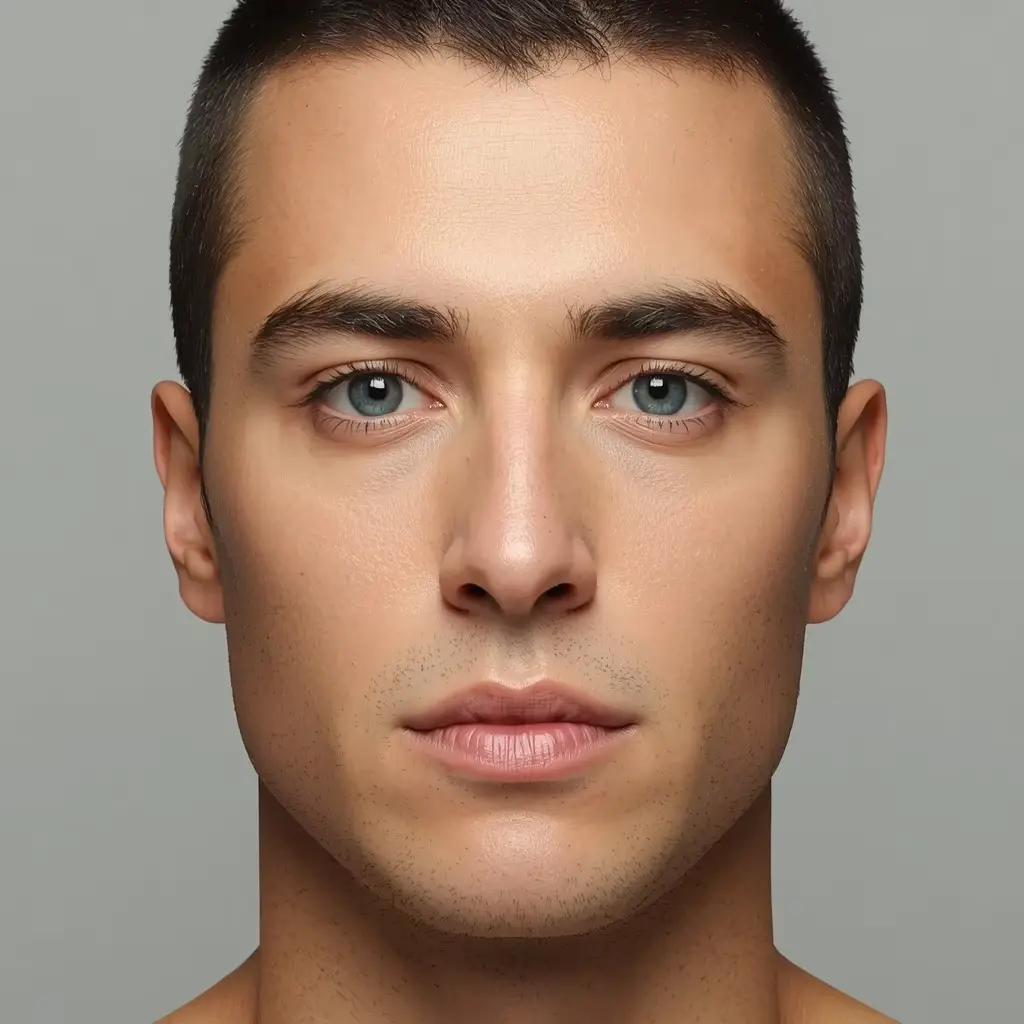
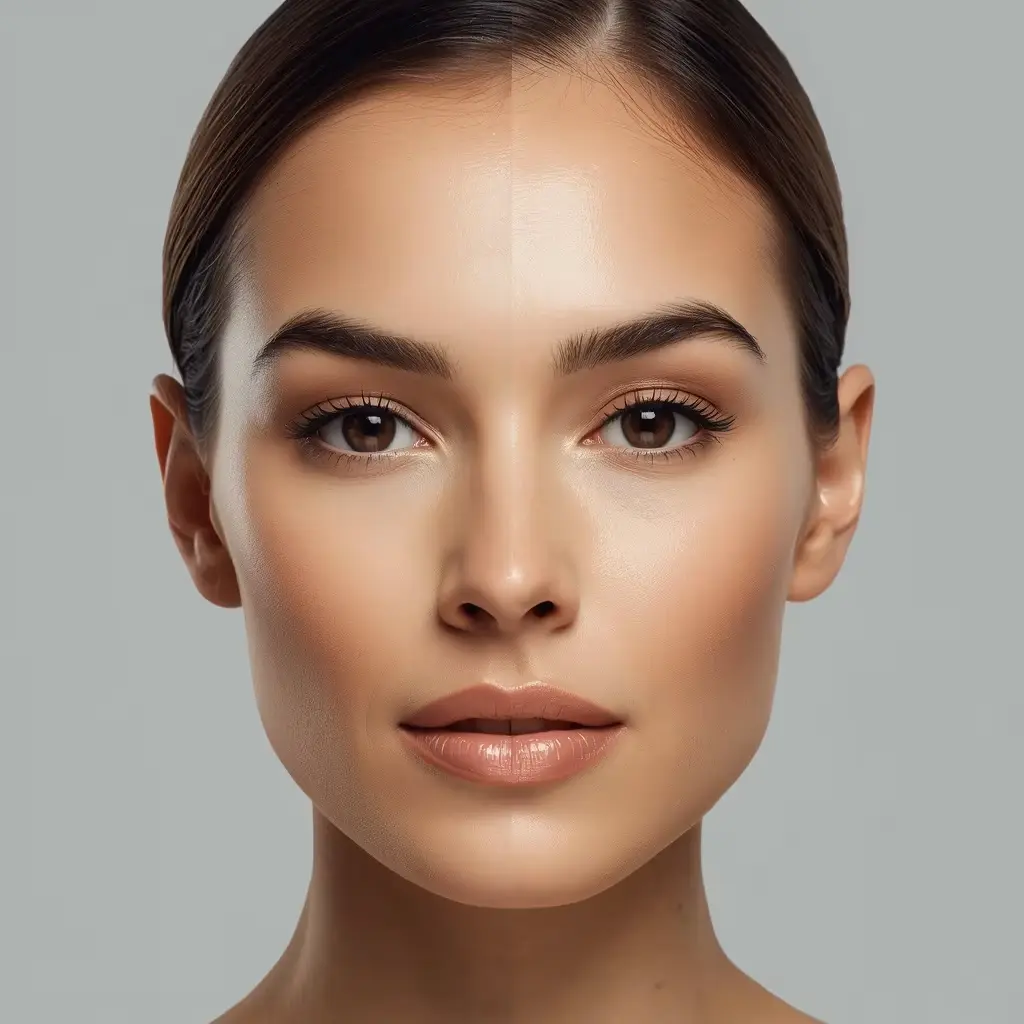
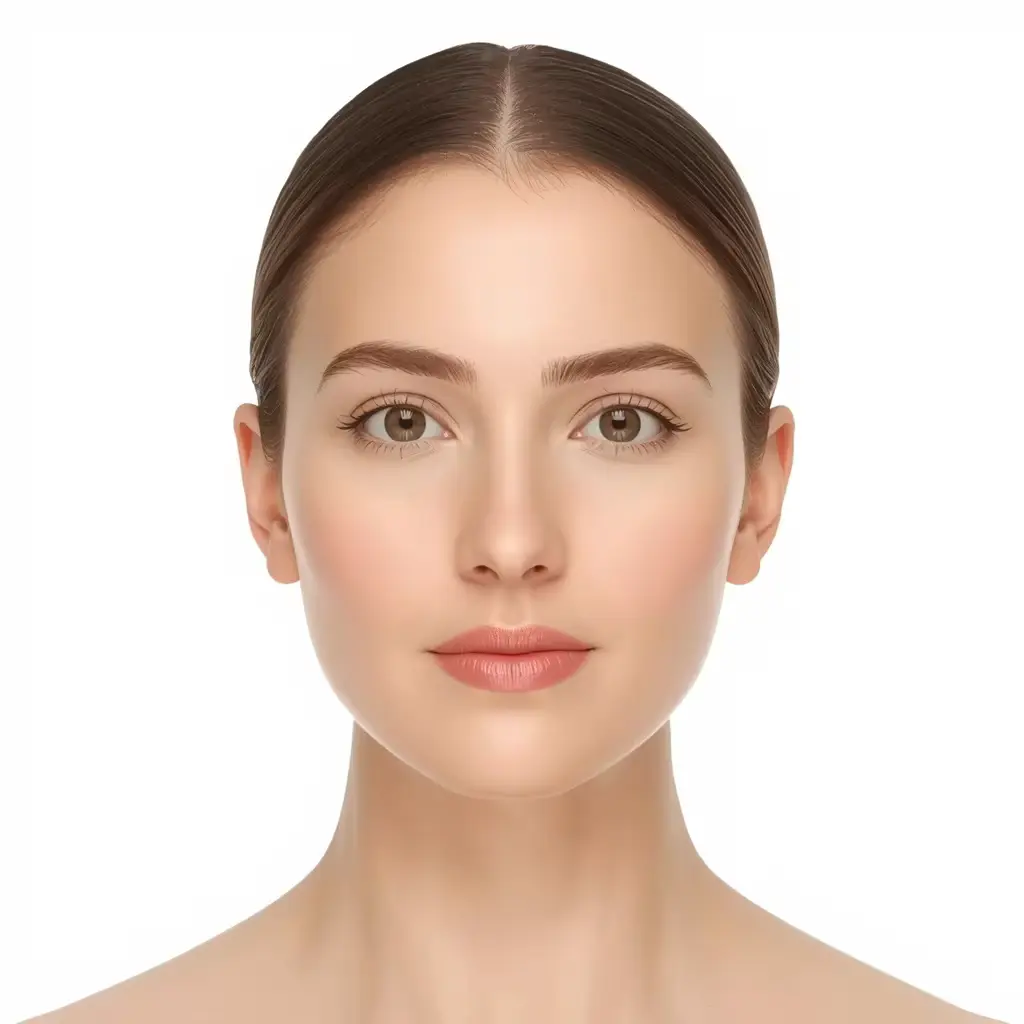
AI-generated references. Swap the garment, not the underlying idea: decide where the vertical line sits, where the width goes, and which part carries the contrast.
How to read the result
A formula, not a uniform.
The builder chooses directions, not specific products. Swap fabrics, colours, and proportions while keeping the underlying idea: where the vertical line sits, where the width goes, and which part of the outfit carries the contrast.
Start with one change
If the result feels unfamiliar, change one variable at a time. Try the neckline first, then the layer, then the shoe. A single adjusted line can shift the whole outfit without asking you to replace your wardrobe.
Use the palette as a test
Hold the suggested colours near your face in daylight before buying. Camera white balance and indoor lighting can make a colour look warmer or cooler than it does on the rack.
Why the builder is deterministic
Every output comes from a visible rule: the selected shape controls the silhouette direction, the palette controls the colour anchors, the occasion controls the base and finish, and the fit controls the cut. There is no hidden model, no random “AI stylist” claim, and no data sent to a server.
That also means the result is editable. If you disagree with a rule, change the input or ignore the output. The point is to reduce decision fatigue, not to prescribe a look.